Toll-Free 1-855-952-6526
 +44 01753 201201
  + 61-2-86078986
  + 44 ( 0 ) 7739716978
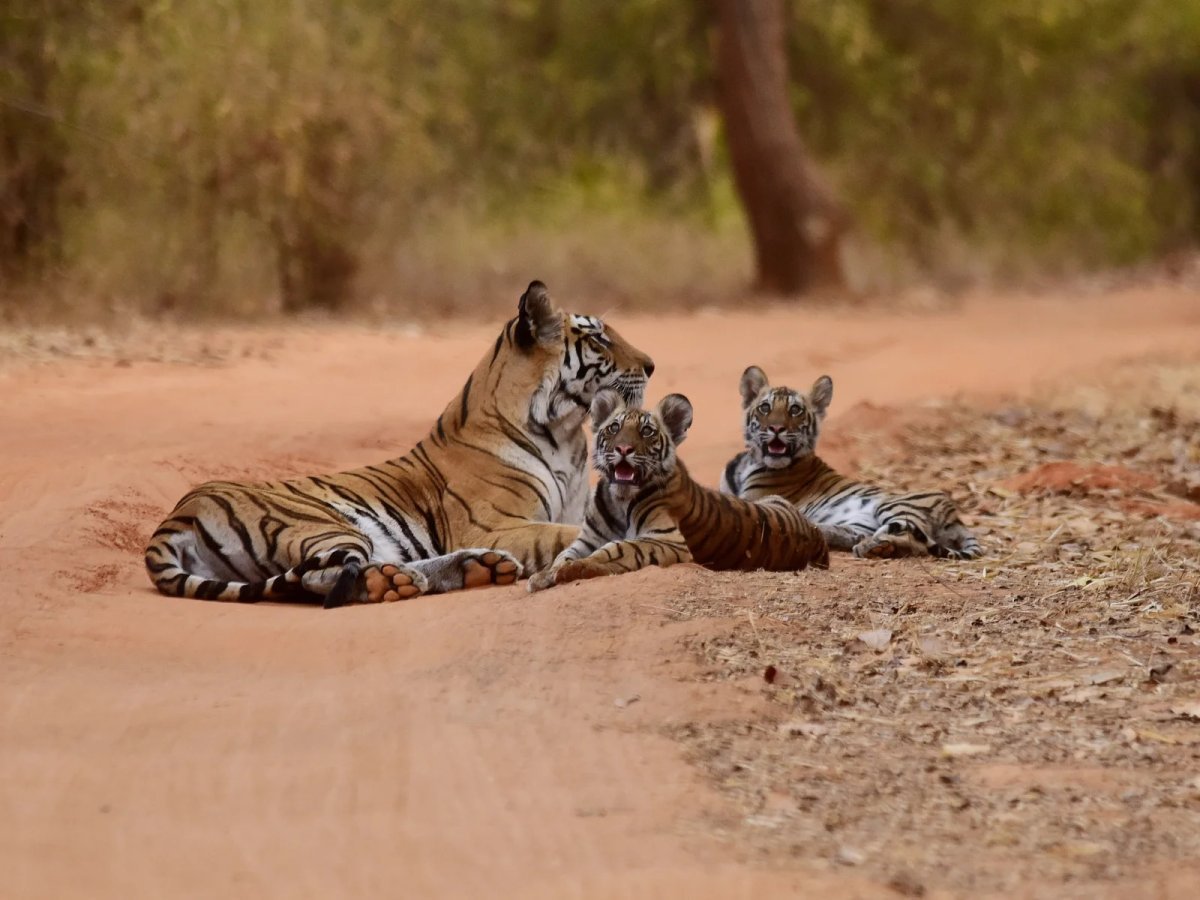
Wildlife Safari in Sawai Madhopur: A Royal Excursion on the Palace on Wheels
As the first light of dawn illuminates the ancient stone ramparts of the 10th-century Ranthambore Fort, the discerning traveler awakens not to a jarring alarm, but to the gentle, rhythmic motion of a carriage fit for a Maharaja. You’ve likely dreamt of witnessing the elusive Bengal tiger within the 1,334 square kilometers of this legendary wilderness, yet the prospect of navigating rugged desert logistics or sacrificing your comfort often dampens the spirit of adventure. We understand that for the elite explorer, the journey’s grace is just as vital as the destination’s thrill. This article reveals how a royal excursion to Sawai Madhopur on the Palace on Wheels transforms a standard wildlife tour into a legendary sojourn of ease and elegance, ensuring that every moment spent in the presence of Rajasthan’s regal predators is matched by the impeccable hospitality of our imperial carriages.
You’ll gain a clear understanding of how we bridge the gap between the train’s velvet-draped sanctuary and the untamed trails of Ranthambore National Park. We’ll explore the historical significance of this former hunting ground of the Jaipur royals while assuring you of a seamless, regal transition that leaves no detail to chance. Prepare to discover a world where the wild pulse of India meets the refined heartbeat of heritage luxury travel.
Key Takeaways
- Embark upon a majestic wildlife sojourn in sawai madhopur, where the untamed spirit of the Bengal tiger meets the legendary landscapes of the Aravalli and Vindhya ranges.
- Ascend to the heights of the 10th-century Ranthambore Fort to witness a UNESCO-listed masterpiece of Rajputana architecture that has guarded this imperial wilderness for a millennium.
- Immerse yourself in the cultural heritage of Rajasthan by exploring the intricate crafts of Shilpgram and the fascinating biodiversity exhibits of the Rajiv Gandhi Regional Museum of Natural History.
- Discover how the Palace on Wheels transforms a rugged safari adventure into a seamless experience of royal luxury, welcoming you back from the wild with the refined hospitality of a Maharaja’s guest.
Sawai Madhopur: The Gateway to Rajasthans Untamed Splendor
As the morning mist clings to the rugged terrain of the Aravalli hills, guests aboard the legendary Palace on Wheels awaken to a landscape where history and wilderness converge in a breathtaking display of natural grandeur. This is sawai madhopur, a city that serves as the storied threshold to one of India’s most celebrated wildlife sanctuaries. It’s often referred to as the “Tiger City” of Rajasthan, a title it wears with a quiet, predatory grace. The city’s unique geography is defined by its position at the dramatic confluence of the Aravalli and Vindhya mountain ranges, creating a jagged, prehistoric backdrop that has witnessed centuries of Rajputana valor.
The city’s very name carries the weight of imperial lineage. Founded in 1763 by Maharaja Sawai Madho Singh I of Jaipur, Sawai Madhopur was envisioned as a planned settlement to support the nearby Ranthambore Fort. Today, the Palace on Wheels transforms this once-remote outpost into a regal destination, bridging the gap between the unyielding wild and the pinnacle of human comfort. It’s here that the train’s rhythmic journey pauses, allowing travelers to exchange the silk-lined silence of their cabins for the raw, exhilarating symphony of the jungle.
The Royal Connection: A Legacy of the Maharajas
Long before it became a sanctuary for the Royal Bengal Tiger, this region served as the private hunting grounds for the Maharajas of Jaipur. These royal shikars were grand affairs, where the elite tested their mettle against the apex predators of the desert scrub. However, the mid-20th century brought a profound shift in philosophy, seeing the transition from the pursuit of trophies to the dedicated preservation of the wild. This evolution has turned the former hunting estates into a beacon of modern-day conservation and luxury tourism. Within this context, the city serves a vital role as a cornerstone of the Palace on Wheels destinations itinerary, offering a glimpse into the soul of the Rajasthani wilderness.
Arriving in Style: The Palace on Wheels Welcome
There’s a specific, evocative atmosphere that greets the train as it pulls into the station just as the sun begins its ascent over the desert horizon. The morning arrival is orchestrated with the seamless precision expected of a royal sojourn. You’ll find yourself stepping from the train’s velvet-draped, climate-controlled interiors directly into the crisp, earthy air of the morning. Waiting safari vehicles stand ready to whisk you away, ensuring the transition from the carriage to the forest is both swift and sophisticated. The air is thick with the scent of dry grass and woodsmoke, heightening the palpable anticipation of the wild. It’s a moment where the luxury of the present meets the primal call of the ancient forest.
The Majestic Ranthambore National Park: An Imperial Wildlife Sojourn
As the Palace on Wheels glides into the historic station of sawai madhopur, guests are greeted with the promise of an imperial encounter. This region serves as the gateway to Ranthambore National Park, once the private hunting preserve of the Jaipur royalty. Spanning approximately 1,334 square kilometers, the park is a tapestry of dry deciduous forests and golden grassy meadows. Ancient banyan trees cast long shadows over a landscape that feels frozen in time. It’s a sanctuary where the echoes of the past meet the raw pulse of the wilderness. Since its inclusion in Project Tiger in 1973, the park has become a beacon of conservation success, ensuring that the roar of the predator continues to resonate through the Aravalli and Vindhya ranges.
The unique ecosystem here isn’t merely a backdrop; it’s a living history. The terrain is rugged and dramatic, featuring steep cliffs and flat-topped hills known as Dang. This diverse topography supports a complex web of life that has thrived under protection for decades. Travelers find themselves immersed in a world where nature has reclaimed the remnants of human ambition, creating a landscape that is both haunting and beautiful. It’s a place where every rustle in the undergrowth tells a story of survival and territorial dominance.
The Royal Bengal Tiger: Monarch of the Forest
There’s no sight more arresting than a Royal Bengal Tiger prowling through the crumbling stone arches of a centuries-old pavilion. This juxtaposition of nature and heritage is unique to the sawai madhopur wilderness. The park’s legendary lineage, featuring icons like the late Machli, has made it a premier destination for wildlife enthusiasts. To catch a glimpse of these elusive monarchs, the early morning safari is essential. The cool air of dawn often finds the tigers near water sources or patrolling their territories. We recommend booking your safari well in advance, as the limited entry ensures an exclusive experience that mirrors the privacy once enjoyed by the Maharajas.
A Biodiversity Treasure Trove
While the tiger is the undisputed sovereign, the park’s biodiversity is staggeringly rich. One might spot the lithe leopard or the rare caracal amidst the scrub. Sloth bears and striped hyenas frequent the denser thickets, while the marshy banks of Padam Talao offer a glimpse of the mugger crocodile. Near the historic Jogi Mahal, the landscape softens into lakeside vistas where chital and sambar deer gather to drink.
For those who find joy in the skies, the park hosts over 300 species of birds. You’ll find crested serpent eagles and painted storks here, offering a wonderful contrast to the avian diversity found at Keoladeo National Park. After a morning of discovery, returning to the comfort of your carriage is a transition from the wild to the sublime. You can explore the full train route to see how this stop fits into your grand Rajasthani odyssey.
Ranthambore Fort: A UNESCO Sentinel of Rajputana Valor
As the Palace on Wheels glides into the rugged landscapes of sawai madhopur, the horizon is dominated by the formidable silhouette of the Ranthambore Fort. This 10th-century marvel, perched precariously atop a high hill, serves as a silent witness to the ebb and flow of imperial dynasties. Recognized globally as a UNESCO Sentinel of Rajputana Valor, the fort’s massive stone walls stretch across 4 square kilometers of undulating terrain. These ramparts offer a breathtaking vantage point; guests can gaze upon the emerald canopy of the national park, often spotting the elusive tiger from heights once reserved for royalty. The sheer scale of the masonry, crafted from local stone, creates an atmosphere of timeless permanence that captivates every traveler who walks its ancient paths.
Temples and Cenotaphs: The Spiritual Heart of the Wild
Within these ancient walls, the spiritual pulse of Rajasthan beats strongest at the legendary Trinetra Ganesha Temple. It’s a site of profound devotion where locals still send wedding invitations to the three-eyed deity, seeking his divine blessings for their unions. The architectural landscape is a tapestry of artistic brilliance, featuring the majestic 32-pillared Chhatri and cenotaphs adorned with delicate, intricate carvings. You’ll notice a seamless fusion of Rajput and Mughal styles in the domes and arches, a testament to the complex cultural synthesis that defined the region’s aesthetic legacy during the medieval era. Each structure tells a story of artistic patronage that flourished even amidst the chaos of territorial conflict.
Echoes of the Past: Battles and Bravery
The stones of Ranthambore resonate with echoes of historical sieges by the Delhi Sultanate and the Mughal Empire. No figure looms larger in these chronicles than Rao Hammir Dev Chauhan, the legendary defender whose unwavering courage remains etched in the local lore of sawai madhopur. His refusal to surrender his guests to Alauddin Khalji in 1301 AD represents the pinnacle of Rajput honor and sacrifice. For those captivated by such tales of military might and chivalry, a visit here mirrors the experience of exploring the Chittorgarh Fort, another bastion of bravery that defines the soul of Rajputana. These strongholds served as the bedrock of a civilization that valued honor above life itself, providing a somber yet inspiring backdrop to your luxury sojourn through the heart of India.
Beyond the Wild: Cultural Treasures and Natural History
While the roar of the Bengal tiger commands your attention, the true soul of sawai madhopur resides within its ancient craftsmanship and the quiet wisdom of its natural archives. This regal sojourn extends far beyond the dusty trails of the jungle; it invites you to witness the living heritage of the Rajputana spirit. Sustainable luxury travel serves as more than a comfort for the elite traveler. It’s a vital bridge that preserves these local legacies for future generations. By choosing this imperial journey, you directly support the continuation of centuries-old block printing and pottery traditions that define the region’s artistic identity. Your presence here ensures that the delicate balance between human heritage and wild sanctuary remains undisturbed.
The Art of the Desert: Shilpgram Sawai Madhopur
Within the vibrant enclave of Shilpgram, the air feels heavy with the scent of damp clay and the rhythmic thud of wooden blocks against cotton. You’ll find yourself surrounded by the kaleidoscopic hues of Rajasthani textiles and the intricate shimmer of traditional jewelry that seems to capture the desert sun. This craft village offers a profound understanding of how local communities coexist with the tiger reserve, turning their reverence for the wild into tangible art. It’s this deep cultural immersion that makes this stop one of the most essential tourist places in Rajasthan for the discerning traveler. Every purchase you make supports an artisan’s lineage, keeping the “Atithi Devo Bhava” philosophy alive in every hand-spun thread.
Educational Insights at the Natural History Museum
The Rajiv Gandhi Regional Museum of Natural History, inaugurated in 2014, stands as a majestic repository of India’s ecological wealth. Its sophisticated eco-theatre hosts evocative wildlife documentary screenings that bring the mysteries of the forest to life before your eyes. You can wander through galleries that feature:
- An exquisite collection of preserved butterflies showcasing the delicate side of the desert ecosystem.
- Detailed botanical exhibits explaining the medicinal flora of the Aravalli hills.
- Interactive displays that track the conservation history of the Ranthambore tiger.
This scholarly sanctuary complements the practical safari experience by providing the scientific context that makes every tiger sighting feel like a chapter in a grander biological epic. It turns a simple excursion into a profound lesson in natural stewardship. A visit to sawai madhopur is incomplete without appreciating the intricate biological web that supports the very wildlife you came to admire.
Returning to the Palace: Onboard Extravagance After the Safari
As the golden sun begins its descent over the rugged, sun-drenched terrain of sawai madhopur, the sight of the gleaming ivory carriages of the Palace on Wheels offers a homecoming unlike any other. Stepping away from the untamed wilderness of the desert, you’re greeted by the immediate, refreshing embrace of air-conditioned splendor. The transition is instantaneous; the dust of the Ranthambore trails vanishes the moment you step onto the royal red carpet laid out upon the platform.
The ritual of return is a choreographed dance of hospitality. Uniformed attendants wait at the threshold with chilled, scented towels to whisk away the heat of the afternoon, followed by a vibrant welcome drink that revives the spirit. This seamless shift from the raw thrill of the safari to the height of imperial hospitality defines the legendary experience of this rail sojourn. It’s a sanctuary where the ruggedness of the wild meets the refined grace of a bygone era.
Before retiring for the evening, guests often find themselves drawn to the Bar Lounge. This opulent space, adorned with period furniture and soft lighting, serves as the social heart of the train. Here, the adrenaline of the tiger sighting softens into the quiet satisfaction of the elite traveler. You’ll find yourself sharing stories of the day’s adventures over premium spirits and fine wines, all while the train begins its rhythmic glide toward the next majestic destination.
Regal Retreat: The Super Deluxe Cabin Experience
Your Super Deluxe Cabin serves as a private sanctuary, a world away from the intense heat of the Rajasthani sun. The dedicated Khidmatgar, your personal attendant, remains at your beck and call, ensuring your return is met with every possible comfort. Within these walls, the heritage of the princely states lives on through intricate silk upholstery and hand-carved wooden accents. The decor mirrors the aesthetics of ancient Rajputana, providing a dignified space to rest and reflect on the day’s wildlife encounters in total privacy.
Gourmet Celebrations: Dining Like Royalty
Evening on the train culminates in a grand culinary journey within the Maharaja and Maharani restaurants. The atmosphere is thick with the scent of exotic spices and the soft clinking of fine crystal. The Palace on Wheels Cuisine is a masterclass in balance; it offers authentic Rajasthani flavors like Lal Maas alongside sophisticated international delicacies. As the train moves through the dark desert night, the day’s wildlife sightings in sawai madhopur become the centerpiece of dinner conversation, turning a simple meal into a grand courtly celebration of the senses. The journey continues onward toward the shimmering lakes and palatial grandeur of Udaipur City, where the Venice of the East awaits with its own tales of Maharana valor and timeless beauty.
Secure Your Throne for the Ultimate Wilderness Odyssey
As the golden sun dips below the horizon of the Aravalli Hills, the memories of your encounter with the regal Bengal tiger will linger long after you’ve returned to the sanctuary of your carriage. This journey through Sawai Madhopur represents more than a mere wildlife sighting; it’s a profound immersion into the storied legacy of the Rajputana kings who once hunted these very grounds. You’ll find yourself effortlessly transitioning from the untamed beauty of Ranthambore National Park to the refined elegance of your Super Deluxe Cabin, where every detail is curated to reflect the pinnacle of Indian hospitality. As the official GSA for the Rajasthan Tourism Development Corporation, we ensure that every moment of your all-inclusive 7 Nights / 8 Days luxury itinerary is handled with the grace and precision befitting an imperial guest. The echoes of the wild and the whispers of history await those ready to reclaim the art of slow, meaningful travel. Embark on your royal sojourn to Sawai Madhopur with the Palace on Wheels and prepare to be enchanted by the timeless spirit of Rajasthan. We look forward to welcoming you into a world where every guest is treated with the reverence of a Maharaja.
Frequently Asked Questions
How does the Palace on Wheels visit Sawai Madhopur?
The Palace on Wheels glides into the historic station of Sawai Madhopur during the early dawn hours of the third day of your imperial sojourn. Guests are whisked away from their plush cabins to the rugged wilderness of Ranthambore National Park in comfortable canters, ensuring you witness the jungle as it awakens in the soft, golden light of the morning. It’s a seamless transition from the silk-lined luxury of your carriage to the raw, untamed beauty of the Rajasthani wild.
What is the best time to see tigers in Ranthambore?
The most auspicious months for witnessing the legendary Bengal tiger in Sawai Madhopur span from April to June when the scorching sun draws these majestic predators toward the remaining watering holes. While the park welcomes guests from October 1st through June 30th, the height of summer offers a higher probability of a royal encounter amidst the dry deciduous thickets. The thinning foliage during these warmer months makes it easier to spot the amber glow of a tiger’s coat against the forest floor.
Is the Ranthambore safari included in the Palace on Wheels fare?
Your majestic expedition into the heart of the tiger’s domain is an inclusive privilege of the Palace on Wheels experience. The fare covers the jungle safari, park entrance fees, and the expert guidance of a naturalist, ensuring your focus remains entirely on the breathtaking beauty of the wild. You won’t need to worry about additional transactions during this excursion, as every detail of the journey is pre-arranged to maintain an atmosphere of quiet, refined exclusivity.
What should I wear for a safari in Sawai Madhopur?
We recommend donning attire in muted, earthy tones like khaki, olive, or beige to blend seamlessly with the natural tapestry of the Sawai Madhopur landscape. Mornings in the wild can be crisp even in the warmer months, so it’s wise to layer your garments with a light jacket or a pashmina. You can gracefully shed these layers as the sun ascends and warms the ancient terrain, ensuring you remain comfortable throughout the entirety of your three hour morning quest.
Can I visit the Ranthambore Fort during the train stop?
The primary focus of this morning excursion is the wildlife safari, yet the silhouette of the 10th-century Ranthambore Fort remains a constant, towering presence over the forest canopy. While the standard itinerary prioritizes the pursuit of the Bengal tiger, the sight of this UNESCO World Heritage site provides a hauntingly beautiful backdrop to your journey. The fort has stood as a silent guardian of the jungle since 944 AD, embodying the legendary spirit of the Rajputana warriors who once ruled these lands.
What other wildlife can be seen besides tigers?
Beyond the elusive tiger, the sanctuary teems with a vibrant court of inhabitants including the graceful chital, the sturdy sambar deer, and the opportunistic Indian leopard. Bird enthusiasts will find delight in observing over 300 species of avian wonders, ranging from the crested serpent eagle to the painted stork. The park’s diverse ecosystem also supports sloth bears and striped hyenas, making every moment of your safari a potential encounter with the diverse riches of India’s natural heritage.
Are there any specific safety guidelines for the wildlife tour?
Safety is paramount during your royal foray, and guests must remain within the confines of the safari vehicle at all times while traversing the rugged terrain. Maintaining a respectful silence is essential, as it honors the tranquility of the forest and increases your chances of observing the wildlife in their most natural states. It’s important to follow the naturalist’s instructions closely, as their knowledge ensures a secure and enlightening experience within the tiger’s sovereign territory.
How long is the safari excursion from the train?
Your morning sojourn into the wilderness typically lasts for approximately three to four hours before you return to the sanctuary of the train. This duration allows for a thorough exploration of the park’s designated zones while ensuring you return to your carriage in time for a sumptuous breakfast. As the Palace on Wheels begins its rhythmic journey toward Chittorgarh at 10:30 AM, you’ll have ample time to reflect on your wild encounters from the comfort of the observation car.

All Categories
Recent Posts


Tags