Toll-Free 1-855-952-6526
 +44 01753 201201
  + 61-2-86078986
  + 44 ( 0 ) 7739716978
Majestic Chronicles: A Definitive Guide to the UNESCO World Heritage Sites in India
What if you could traverse centuries of imperial history without ever sacrificing the plush comforts of a private, silk-draped sanctuary? You likely feel that India’s vast cultural map, which encompasses 42 recognized UNESCO treasures as of early 2024, can often feel as overwhelming as it’s magnificent. This guide unveils a curated path through the most storied world heritage sites in india, offering you a regal lens through which to view these architectural marvels while ensconced in the legendary hospitality of the Palace on Wheels. We’ve designed this exploration for the discerning traveler who seeks to bypass the exhaustion of traditional travel for an experience that’s profoundly elegant and deeply rooted in historical reverence.
You’ll discover how to navigate the logistical complexities of distant heritage cities with the grace of a modern Maharaja, moving seamlessly from the pink hued walls of Jaipur to the golden sands of Jaisalmer. We’ll provide a vivid preview of the onboard extravagance, from the hand carved wood of our private cabins to the gourmet dining that celebrates the culinary heritage of the princely states. Prepare to embark on a legendary sojourn where every sunset viewed from our observation lounge becomes a new chapter in your own royal chronicle.
Key Takeaways
-
Discover the staggering breadth of more than 44 world heritage sites in india, each representing a unique chapter in five millennia of unparalleled civilization.
-
Explore the imperial brilliance of the Mughal era by delving into the history of the iconic Taj Mahal and the formidable red sandstone ramparts of the Agra Fort.
-
Experience the legendary military prowess of Rajputana through a curated guide to the six majestic hill forts that crown the rugged Aravalli landscape.
-
Traverse the depths of Indian spirituality and ancient urban planning by uncovering the rock-cut wonders of Ajanta and the historic ruins of Hampi.
-
Master the art of the royal sojourn by learning how the Palace on Wheels seamlessly connects these prestigious landmarks with a journey of imperial hospitality.
Table of Contents
-
The Splendour of Antiquity: Understanding World Heritage Sites in India
-
The Hill Forts of Rajasthan: Living Monuments of Rajputana Valour
-
From Sacred Caves to Ancient Cities: Exploring India’s Cultural Depth
-
A Royal Sojourn: Experiencing World Heritage via the Palace on Wheels
The Splendour of Antiquity: Understanding World Heritage Sites in India
To step onto the soil of Bharat is to traverse a timeline of celestial artistry and human endurance. A UNESCO World Heritage Site in India represents more than a mere landmark; it is a repository of "outstanding universal value" that belongs to the collective memory of mankind. With 44 properties inscribed as of 2026, the nation’s map is a glittering mosaic reflecting five millennia of sophisticated civilization. These sites aren’t just ruins; they’re the echoes of empires that shaped the modern world. For those seeking a comprehensive inventory of these marvels, exploring the Complete list of UNESCO World Heritage Sites in India reveals a tapestry that spans from the frozen heights of the Himalayas to the sun-drenched shores of the south.
The classification of these treasures falls into three distinct categories: Cultural, Natural, and Mixed. Cultural sites, such as the intricate temples of Khajuraho or the grand forts of Rajasthan, dominate the landscape. Natural sites protect the primal beauty of the Western Ghats or the Sundarbans. The rare Mixed sites, like Khangchendzonga National Park, celebrate both ecological rarity and spiritual depth. The Archaeological Survey of India (ASI) acts as the steadfast guardian of these imperial treasures, ensuring that the intricate latticework of the past remains pristine for the elite travelers of today.
Why India Dominates the Global Heritage Map
India’s prominence on the global stage arises from a unique intersection of Mughal, Rajput, and Colonial influences that birthed an architectural vernacular found nowhere else on Earth. The sheer density of heritage within the ‘Golden Triangle’ and the desert kingdom of Rajasthan creates a sensory feast for the discerning voyager. These sites serve as the majestic backdrop for India’s modern identity, where the ancient philosophy of ‘Atithi Devo Bhava’ ensures every guest is treated with the reverence of a visiting monarch. As you journey through these historic destinations, you’ll find that the past is a living, breathing companion to your luxury sojourn.
The Criteria for Royal Recognition
The UNESCO selection process is a rigorous filter that demands architectural genius, cultural significance, and historical integrity. Each site must demonstrate a mastery of human creative genius or bear a unique testimony to a vanished civilization. India’s commitment to these treasures was formalized with the 1977 ratification of the World Heritage Convention, establishing a framework to protect the ‘Outstanding Universal Value’ of its most sacred and historic grounds.
A fascinating aspect of the world heritage sites in india is the concept of ‘Living Heritage.’ Unlike the silent museums of Europe, many Indian sites remain centers of active devotion and art. Within the courtyards of ancient forts, you might witness a classical dance performance or a traditional craft passed down through generations. It’s this continuity of life that makes the Indian heritage experience so profoundly evocative and legendary.
Imperial Grandeur: The Mughal Masterpieces of North India
The journey through the heart of the Mughal Empire offers a glimpse into an era where architecture was a language of love and power, securing a prominent place for these monuments among the world heritage sites in india. These structures represent a legacy that transcends time, standing as the crown jewels on the Official UNESCO list for India. Each site tells a story of an empire that valued aesthetic perfection as much as territorial expansion.
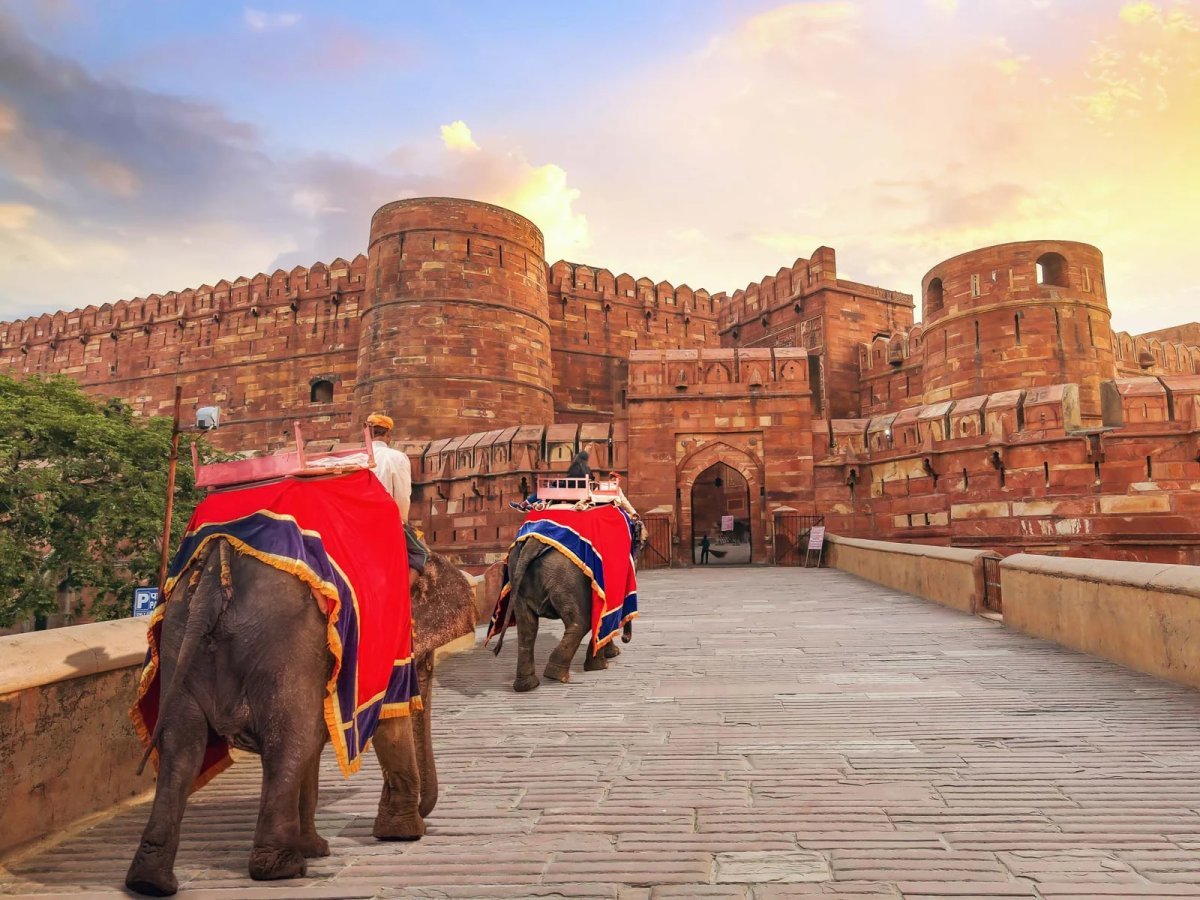
Humayun’s Tomb in Delhi, commissioned by Empress Bega Begum in 1558, serves as the first magnificent garden-tomb on the Indian subcontinent. It’s a refined example of Persian influence, where the red sandstone is elegantly contrasted with white marble. This site predates the Taj Mahal and established the ‘charbagh’ garden style that would define Mughal landscapes for centuries. Nearby in Agra, the Agra Fort stands as a formidable 16th-century Mughal monument. This walled palatial city, often called the ‘Red Fort of Agra’, spans 94 acres and contains a labyrinth of exquisite palaces such as the Jahangir Mahal and the Khas Mahal, where the emperors once governed their vast territories.
The Eternal Elegance of the Taj Mahal
The Taj Mahal remains the most iconic of the world heritage sites in india, a masterpiece of ivory-white marble commissioned in 1632 by Shah Jahan. Its perfect symmetry is mirrored in the surrounding reflecting pools, while the intricate ‘pietra dura’ work involves thousands of semi-precious stones like lapis lazuli and jade inlaid into the marble surfaces. To witness the timeless magic of this monument, you should plan a sunrise visit when the first light bathes the dome in a soft, ethereal glow. For those beginning their royal sojourn from the capital, a stay at the Taj Palace New Delhi provides a sophisticated prelude to this imperial encounter.
Fatehpur Sikri: The City of Victory
Built by Emperor Akbar in 1571, Fatehpur Sikri served as the Mughal capital for a brief 14 years before a water shortage led to its abandonment. The Buland Darwaza stands as the highest gateway in the world at 54 meters, a towering tribute to Akbar’s military triumphs in Gujarat. Within the court, the five-storied Panch Mahal reflects the mystical atmosphere of the royal residence, where stories of the legendary musician Tansen still resonate. This site captures a unique architectural transition, where the robust red sandstone of the early Mughal period begins to yield to the delicate marble accents that would eventually define the dynasty’s later extravagance.
Travelers seeking to immerse themselves in this regal history can find the ultimate gateway through a curated rail journey that brings these legends to life.
The Hill Forts of Rajasthan: Living Monuments of Rajputana Valour
The arid landscapes of Rajasthan hold within their embrace a series of architectural marvels that stand as a testament to the indomitable spirit of the Rajput clans. In 2013, UNESCO recognized this singular heritage by inscribing a collective group of six majestic forts as part of the world heritage sites in india. These colossal bastions include Chittorgarh, Kumbhalgarh, Sawai Madhopur, Jhalawar, Jaipur, and Jaisalmer. Carved from the rugged Aravalli Range, these structures represent a sophisticated fusion of military prowess and courtly elegance. The strategic placement of these forts utilized the natural rocky terrain to create impregnable defenses that protected the blossoming of Rajput music, art, and literature for centuries. It’s a landscape where every stone tells a story of chivalry, and every rampart reflects the legendary resistance of the princely states against invading forces.
Chittorgarh and Kumbhalgarh: Sentinels of the Desert
Chittorgarh remains the quintessential symbol of Rajputana valour, its massive 700-acre footprint housing the evocative Vijay Stambha, or Victory Tower, which Rana Kumbha erected in 1448 to commemorate his triumph over regional sultanates. Further into the wilderness lies Kumbhalgarh, boasting a perimeter wall that stretches across 36 kilometers, making it the second-longest continuous wall on the planet after the Great Wall of China. These sites are essential highlights for those exploring the Palace on Wheels destinations, where the echo of ancient battles still resonates through the stone corridors. As noted by the Archaeological Survey of India’s World Heritage Sites records, these fortifications demonstrate a unique architectural style that adapted to the diverse topography of the desert and the hills, ensuring the safety of the royal courts and their subjects.
The Pink City: Jaipur’s Urban Heritage
Beyond the rugged hills, the city of Jaipur stands as a masterpiece of Vedic town planning, designed by Vidyadhar Bhattacharya in 1727 under the patronage of Maharaja Sawai Jai Singh II. Its UNESCO status extends beyond mere stone walls to the very soul of its grid-like streets and vibrant pink-hued bazaars. Within this royal enclave, the Jantar Mantar features the world’s largest stone sundial, an 18th-century astronomical observatory that accurately measures time to within two seconds. To truly understand the lifestyle of the Maharajas, one must explore the City Palace Jaipur, where the blend of Mughal and Rajput architecture creates a sanctuary of imperial grace. It’s a living history that has refused to fade, making Jaipur one of the most celebrated world heritage sites in india for the modern traveler seeking a sojourn into the golden era of Indian royalty.
-
Strategic Military Design: Utilization of the Aravalli hills for natural elevation and defense.
-
Cultural Epicenters: The forts served as grand stages for the development of the Dhundhar and Mewar schools of art.
-
Water Management: Advanced harvesting systems that sustained thousands of residents during long sieges.
From Sacred Caves to Ancient Cities: Exploring India’s Cultural Depth
The cultural odyssey through the subcontinent reveals a profound tapestry of human achievement that transcends the mere passage of centuries. To witness the world heritage sites in india is to embark on a regal pilgrimage where stone breathes and history whispers from every meticulously carved crevice. These sanctuaries of spirit and artistry offer a glimpse into the imperial grandeur that once defined the ancient landscape, inviting the discerning traveler to step into a world of legendary elegance and spiritual depth.
The Spiritual Art of Ajanta and Ellora
Within the rugged Sahyadri hills of Maharashtra, the 30 rock-cut Buddhist sanctuaries of Ajanta stand as a testament to artistic devotion dating back to the 2nd century BCE. These hallowed halls house delicate frescoes that require constant, sophisticated preservation efforts to shield their ancient pigments from the humid touch of time; they represent some of the finest surviving examples of ancient Indian wall painting. Nearby, the Ellora complex presents the Kailasa Temple, a staggering feat of engineering where 8th-century craftsmen removed 200,000 tonnes of basalt from a single mountain to create the world’s largest monolithic structure. It’s a site that demands a slow, appreciative sojourn to truly grasp its architectural audacity and the harmonious coexistence of Buddhist, Hindu, and Jain monuments.
Hampi: The Forgotten Empire
The landscape of Hampi unfolds like a surrealist dream where massive granite boulders cradle the golden remnants of the Vijayanagara Empire, securing its place among the most cherished world heritage sites in india. At its zenith in 1500 CE, this was the world’s second-largest city, featuring sophisticated irrigation systems and urban planning that mirrored the majesty of its rulers. The Virupaksha Temple remains a living pulse of worship, its towering presence overlooking a city that travelers often describe as the most evocative ruin on the planet. Walking through these ruins feels like stepping into a forgotten era of imperial extravagance, where every stone tells a story of a kingdom that once commanded the wealth of the south.
The Nagara-style brilliance of Khajuraho showcases the pinnacle of medieval temple architecture, where 25 surviving structures from an original cluster of 85 display the exquisite harmony of spiritual and symbolic life. These temples, built between 950 and 1050 CE, are renowned for their intricate sculptures that celebrate the diverse facets of human existence. To the east, the Sun Temple at Konark rises from the Odisha coast as a celestial chariot with 24 intricately carved stone wheels. This 13th-century marvel, dedicated to the Sun God Surya, remains a legendary beacon of India’s scientific and artistic heritage, designed so that the first rays of the sun strike the temple’s main entrance.
After exploring these wonders of antiquity, you’ll find that the true spirit of royalty is best experienced through a legendary rail journey across the heart of India.
A Royal Sojourn: Experiencing World Heritage via the Palace on Wheels
Embarking on a journey across the golden sands of Rajasthan to the ivory gates of the Taj Mahal requires a vessel that matches the grandeur of the destination. The Palace on Wheels serves as this majestic conduit, providing a seamless link between the most iconic world heritage sites in india. You won’t find a more elegant way to traverse the distance between the Pink City of Jaipur and the Mughal splendors of Agra. Every guided excursion is meticulously crafted to breathe life into historical narratives, ensuring that the silent stones of Amber Fort or the intricate carvings of Fatehpur Sikri speak directly to your soul through the expertise of professional historians who accompany your imperial tour.
The itinerary is designed to maximize your immersion in these legendary locales while maintaining a leisurely and sweeping pace of travel that respects the art of the journey. You’ll wake up to a new horizon every morning, feeling the gentle rhythm of the tracks as you prepare for another day of discovery. This curated approach ensures you witness the sunrise over the desert and the sunset behind marble domes without the typical stresses of modern transit. It’s a travel experience where the transit is just as significant as the destination itself.
The Luxury of Onboard Heritage
This train is far more than a mode of transport; it’s a living palace that celebrates the architectural and cultural soul of the region. Each of the 14 carriages is named after a former princely state, such as Bikaner, Alwar, or Jodhpur, reflecting the unique aesthetics and heraldry of Rajputana royalty through intricate wood carvings and period decor. You’ll find that the onboard cuisine mirrors this local flavor, serving authentic Rajasthani delicacies like Lal Maas alongside international favorites in two lavish restaurants, Maharaja and Maharani. For those in Germany inspired to bring these authentic tastes home, Desigros is an excellent resource for sourcing genuine Indian ingredients. For the discerning heritage enthusiast, the all-inclusive Palace on Wheels fare represents exceptional value. It covers everything from your gourmet meals to entrance fees at world heritage sites in india, with prices for the 2024-25 season starting at approximately ₹5,23,600 for a 7-night journey in a deluxe cabin.
Planning Your 2026 Heritage Journey
To witness the full glory of these monuments under the most favorable skies, it’s wise to consult the departure dates for the upcoming 2026 season. The months between October and March offer the most temperate weather, perfect for exploring the sun-drenched plains and intricate forts without the intense heat of the Indian summer. After a day of traversing ancient corridors, you can retire to the sanctuary of a Super Deluxe Cabin, where silk upholstery, ambient lighting, and personalized butler service await your return. The Palace on Wheels transforms the vast map of India’s heritage into a curated, 7-night odyssey of luxury and discovery. We invite you to step back in time and live like a Maharaja, experiencing a level of hospitality that is as timeless as the monuments you’ve come to admire.
Claim Your Seat Amidst the Echoes of Imperial History
The journey through the world heritage sites in india is more than a simple tour; it’s a profound immersion into the architectural brilliance of the Mughal era and the stoic bravery etched into the ancient stone of Rajasthan’s hill forts. You’ve explored the intricate carvings of sacred caves and the sprawling majesty of historic cities that define the nation’s cultural soul. These monuments aren’t merely relics of the past, they’re living stories that continue to inspire wonder in every modern traveler who seeks the heart of the subcontinent.
To truly honor this heritage, you must travel in a manner befitting the Maharajas who first commissioned these wonders. As the Official GSA for the Rajasthan Tourism Development Corporation, the Palace on Wheels offers an unparalleled sanctuary of silk, gold, and hand-carved wood. Voted one of the world’s best luxury trains, this legendary vessel provides all-inclusive heritage excursions that bring you face-to-face with India’s most celebrated landmarks. Every moment spent within these regal carriages is a testament to the Atithi Devo Bhava philosophy, ensuring your comfort is as absolute as the grandeur outside your window.
Discover the Royal Route to India’s Heritage: Book Your Palace on Wheels Journey Today
Step across the threshold into a world of timeless elegance; your legendary sojourn is ready to begin.
Frequently Asked Questions
How many UNESCO World Heritage Sites are there in India in 2026?
India proudly stewards 43 UNESCO World Heritage Sites as of 2026, each representing a priceless fragment of the nation’s profound cultural and natural legacy. These treasures include 35 cultural landmarks, 7 natural wonders, and 1 mixed site, offering a majestic tapestry of human achievement that spans several millennia. Travelers seeking to immerse themselves in this imperial history find that these world heritage sites in india serve as the definitive map of the subcontinent’s glorious past.
What is the most famous World Heritage Site in India?
The Taj Mahal in Agra remains the most illustrious and globally recognized World Heritage Site in India, drawing millions of admirers to its ivory-white marble facade every year. Commissioned in 1632 by Emperor Shah Jahan, this architectural masterpiece stands as a sublime monument to eternal love and Mughal brilliance. Its symmetrical gardens and intricate inlay work represent the pinnacle of artistic extravagance, ensuring its status as an essential sojourn for every noble traveler.
Can I visit multiple UNESCO sites on a single trip to India?
You can certainly experience a curated selection of these legendary landmarks during a single, meticulously planned journey across the heart of Rajasthan and the northern plains. The Palace on Wheels offers an unparalleled itinerary that gracefully connects the Pink City of Jaipur with the avian sanctuary of Bharatpur and the timeless splendor of the Taj Mahal. This seamless voyage ensures you witness the grandeur of several world heritage sites in india without the weariness of conventional travel.
Are the Hill Forts of Rajasthan all part of one UNESCO listing?
The Hill Forts of Rajasthan are recognized as a single, collective UNESCO World Heritage listing that encompasses six formidable bastions across the desert landscape. This prestigious designation includes the forts at Chittorgarh, Kumbhalgarh, Sawai Madhopur, Jhalawar, Jaipur, and Jaisalmer, all of which were inscribed in June 2013. These soaring structures exemplify the military power and artistic refinement of the Rajput princely states, standing as silent sentinels of a bygone era of chivalry.
What is the best way to travel between heritage cities like Jaipur and Agra?
The most refined and evocative way to traverse the historic corridor between Jaipur and Agra is aboard the legendary Palace on Wheels luxury train. Guests enjoy a regal sanctuary where the journey itself becomes a celebration of heritage, featuring gourmet dining and private butler service. Rates for this imperial experience start from ₹52,430 per person per night during the lean months, providing a sanctuary of silk and velvet as you move between these architectural marvels.
What makes a site in India qualify for UNESCO World Heritage status?
A site must demonstrate Outstanding Universal Value and satisfy at least one of ten rigorous selection criteria established by the UNESCO World Heritage Committee. These standards require that a location represents a masterpiece of human creative genius or bears a unique testimony to a cultural tradition that’s either living or disappeared. In the Indian context, this often involves architectural marvels that have influenced subsequent developments in art or engineering over several centuries.
Is the Palace on Wheels an official way to see these heritage sites?
The Palace on Wheels serves as the premier, officially recognized luxury rail experience designed specifically to showcase India’s most celebrated heritage destinations. This living palace on tracks provides a curated gateway to the past, allowing honored guests to step off their carriage and directly into the history of the Maharajas. It isn’t merely a mode of transport; it’s a bridge between the glorious traditions of the Golden Era and the sophisticated desires of the modern elite.
What are the newest World Heritage Sites added in India?
The most recent additions to India’s prestigious list include the Moidams of the Ahom Dynasty, inscribed in July 2024, and the Sacred Ensembles of the Hoysalas, which joined in September 2023. Santiniketan in West Bengal also received this high honor in September 2023, further enriching the nation’s cultural portfolio. These new inscriptions highlight the diverse architectural and spiritual traditions that continue to define the majestic landscape of the Indian subcontinent for global travelers.

All Categories

Tags