Toll-Free 1-855-952-6526
 +44 01753 201201
  + 61-2-86078986
  + 44 ( 0 ) 7739716978
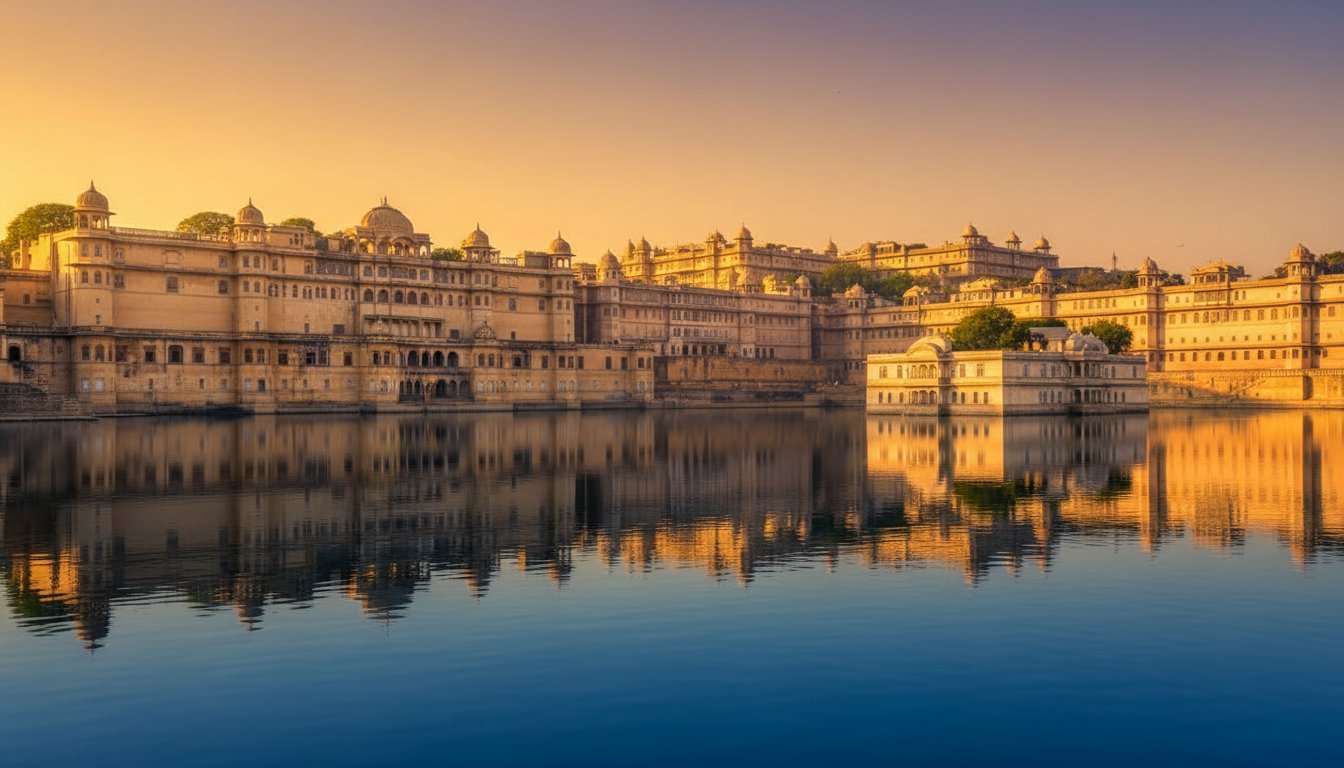
Udaipur City: A Regal Sojourn in the Venice of the East
What if you could step beyond the velvet ropes of history to breathe the same rarefied air as the Maharanas of Mewar? You’ve likely felt the frustration of being lost in a sea of generic tourists, yearning for a connection that feels both personal and profoundly regal. We understand that a true connoisseur of travel seeks more than a mere photograph; you desire a deep, unhurried immersion into the soul of Udaipur City. It’s a place where every ripple on Lake Pichola tells a story of 450 years of Rajputana resilience and artistic triumph; a sanctuary where the past isn’t just remembered but lived.
You deserve an encounter with the Venice of the East that respects your thirst for authenticity and your appreciation for the finer things in life. This sojourn promises to reveal the ethereal beauty and imperial heritage of the region through a curated journey of unparalleled luxury and historical wonder. We’ll guide you through the intricate corridors of the City Palace and the romantic vistas of Saheliyon-ki-Bari, offering a refined exploration of the architectural marvels and hidden legacies that define this legendary landscape.
Key Takeaways
- Uncover why udaipur city is celebrated as the “Venice of the East,” exploring a landscape defined by an intricate network of azure man-made lakes and the enduring legacy of the Mewar Kingdom.
- Marvel at the architectural evolution of the City Palace, where four centuries of Rajasthani, Mughal, and European craftsmanship converge into a singular, monumental testament to imperial grandeur.
- Experience the meditative serenity of Lake Pichola through a private boat excursion that captures the ethereal, floating beauty of the legendary Jag Niwas.
- Journey beyond the palaces to explore the sensory-rich artisan quarters and the marble-fountained elegance of Saheliyon-ki-Bari, the historic Garden of the Maidens.
- Discover the definitive way to arrive like royalty aboard the Palace on Wheels Train, transitioning seamlessly from a bespoke luxury cabin to a private, guided sojourn of the city.
Table of Contents
- Udaipur City: The Ethereal Venice of the East
- The Architectural Grandeur of the City Palace Complex
- Serenity on the Water: Lake Pichola and the Floating Palaces
- Beyond the Palaces: A Guide to Cultural Immersion
- Experiencing Udaipur Through the Palace on Wheels
Udaipur City: The Ethereal Venice of the East
Nestled within the protective embrace of the ancient Aravalli Ranges, Udaipur stands as the luminous crown jewel of the Mewar Kingdom. Often hailed as the Venice of the East, this storied destination owes its liquid grace to a sophisticated network of seven man-made lakes that weave through the urban fabric. A journey through udaipur city feels like stepping into a living watercolor painting where the air is heavy with the scent of history and jasmine. As the sun sets, the ivory-hued marble palaces cast shimmering reflections upon the water; this creates a romantic tableau that has beckoned travelers for centuries. It’s here that Maharana Udai Singh II sought a more secure sanctuary in 1553 than the besieged heights of Chittorgarh, choosing this fertile valley to establish a new capital that would harmonize imperial might with aesthetic splendor.
The Legend of the Mewar Dynasty
The Sisodia Rajputs of Mewar represent one of the world’s oldest surviving dynasties, tracing their lineage back over 1,400 years with a resilience that remains unmatched in Indian history. They’re known as Suryavanshi, or descendants of the Sun, and their architectural legacy is punctuated by solar motifs and golden discs that symbolize divine authority and unyielding courage. You’ll find these celestial symbols etched into the very stones of the city’s grandest gates. Mewar heritage is a sublime fusion of martial chivalry and a deep-seated devotion to the fine arts.
A Geography of Grace: The Lake System
The hydraulic brilliance of udaipur city is centered around the interconnected basins of Lake Pichola, Udai Sagar, and Fateh Sagar. These reservoirs, some dating back to 1362 AD, serve as more than mere aesthetic wonders; they function as a natural cooling system that lowers the ambient temperature of the palace complexes during the searing Rajasthani summers. The jagged silhouettes of the Aravalli hills, which are approximately 2.5 billion years old, provide a dramatic backdrop to these mirror-like surfaces. Every ripple on the water tells a story of engineering foresight that transformed a semi-arid landscape into a flourishing oasis of imperial luxury. The visual poetry of the hills reflecting on the water creates a sanctuary of peace that feels entirely removed from the modern world.
The Architectural Grandeur of the City Palace Complex
Rising from the banks of the shimmering Lake Pichola, the City Palace stands as a monumental testament to the endurance of the Mewar dynasty. It’s an architectural tapestry woven over 465 years; a project initiated by Maharana Udai Singh II in 1559 and refined by successive rulers. This sprawling fortress seamlessly integrates the rugged strength of Medieval design with the delicate flourishes of Mughal and European aesthetics. As you traverse its limestone walls, you’ll encounter narrow, zigzagging corridors deliberately crafted to confuse and slow any potential invaders. These tight passages open suddenly into sun-drenched courtyards, creating a rhythmic dance between shadow and light. While much of the complex serves as a public treasury of history, the Shambhu Niwas Palace remains the private, exclusive sanctuary of the current royal family, preserving the living pulse of Rajputana tradition within Udaipur tourism circuits.
Mirrored Halls and Peacock Mosaics
Inside the Mor Chowk, or Peacock Square, the air seems to vibrate with the brilliance of 5,000 pieces of colored glass. These mosaics depict the majestic bird in three distinct seasons; summer, monsoon, and winter; shimmering with an intensity that hasn’t faded since their 19th-century inception. Nearby, the Sheesh Mahal invites you into a celestial realm where hundreds of tiny mirrors catch the softest flicker of light, multiplying it into a thousand stars. In the Zenana Mahal, the former queens’ quarters, the atmosphere shifts to one of quiet elegance. It’s here that the royal ladies once held court, surrounded by frescoes that whisper stories of ancient festivals and imperial grace.
Panoramic Vistas from the Upper Terraces
Ascending to the upper balconies, the true majesty of the udaipur city landscape unfolds in a breathtaking panorama. From these heights, the Maharanas once surveyed their kingdom, watching the sun dip behind the Aravalli Hills and turn the waters of Lake Pichola into liquid gold. The palace museum houses an extraordinary collection of artifacts, some dating back to the 15th century. You’ll find silver palanquins, antique weaponry, and intricate paintings that chronicle the bravery of the Mewar warriors. Walking through these halls feels like a royal sojourn through time itself. To experience this regal heritage with the same level of luxury enjoyed by the kings of old, many travelers choose to arrive via a majestic rail journey that mirrors the opulence of these very halls.
Serenity on the Water: Lake Pichola and the Floating Palaces
To truly grasp the lyrical essence of udaipur city, you must embark on a meditative journey across the crystalline expanse of Lake Pichola. A private boat ride during the soft light of the afternoon isn’t merely a means of travel; it’s a regal sojourn that invites you to witness the city as the Maharanas once did. As your vessel glides through the ripples, the Lake Palace, or Jag Niwas, emerges like a shimmering mirage. Constructed in 1743 by Maharana Jagat Singh II, this architectural marvel appears to float weightlessly upon the water, its white marble walls reflecting the shifting moods of the sky and creating an ethereal silhouette that has captivated travelers for centuries.
This island sanctuary represents the absolute zenith of Rajput leisure and luxury, where the harshness of the Rajasthan sun is softened by the surrounding waters. Nearby, the grand structure of Jag Mandir stands as a testament to the enduring spirit of Mewar hospitality. It’s a place of profound historical weight, having served as a crucial refuge for Prince Khurram in 1623 before he ascended the throne as Emperor Shah Jahan. These floating palaces aren’t just monuments; they’re the physical manifestation of a royal philosophy that sought to blend the rugged strength of the Aravallis with the delicate beauty of an oasis.
The Golden Hour: Sunset at Jag Mandir
As the sun begins its slow, deliberate descent, the stark white facades of the palaces undergo a breathtaking metamorphosis. The city’s marble structures dissolve into a palette of molten gold and rich amber, casting long, poetic shadows across the lake’s surface. At the entrance of Jag Mandir, eight magnificent stone elephants stand as eternal sentinels, their carved forms glowing in the twilight as they guard the island’s secrets. From the center of the lake, the skyline of udaipur city appears like a distant, jeweled crown, offering a perspective of quiet majesty that remains hidden from those on the shore.
Echoes of History in the Garden of the Gods
The intricate carvings and marble pavilions of Jag Mandir hold a legacy that eventually reached the far corners of the Mughal Empire. It’s widely recognized that the island’s unique aesthetics and intricate stonework profoundly influenced the design of the Taj Mahal, creating a bridge between Rajput and Mughal artistic sensibilities. For a deeper dive into these historical connections, this cultural guide to Udaipur provides a window into the artistic heritage of the region. Within these tranquil island gardens, you’ll find a rare stillness, a sanctuary of peace that feels worlds away from the bustling ghats and vibrant markets of the mainland.
Beyond the Palaces: A Guide to Cultural Immersion
While the shimmering lakes define the horizon, the true soul of udaipur city resides within the labyrinthine alleyways of the old quarter. Here, the air carries the scent of marigolds and sandalwood incense, drawing you toward the Jagdish Temple. Completed in 1651, this three-storied marvel of Indo-Aryan architecture stands as a testament to Mewari devotion. Its pillars are carved with intricate figures of dancers and celestial musicians that seem to breathe under the golden Rajasthani sun. A short carriage ride away, the Saheliyon-ki-Bari offers a serene retreat from the urban pulse. Built in the mid-18th century for a retinue of 48 royal ladies, its marble elephants and rain-fountains evoke a sense of playfulness that remains unchanged since the era of Maharana Sangram Singh.
The Rhythms of Rajasthan at Bagore Ki Haveli
The 18th-century Bagore Ki Haveli serves as a majestic guardian of the region’s performative heart. As twilight descends over Lake Pichola, the Dharohar cultural show begins, casting flickering shadows against the ancient stone courtyards. You’ll witness the Ghoomar, a dance of graceful pirouettes once reserved for the inner sanctums of royalty, and the Kalbelia, where performers mimic the fluid movements of a serpent with hypnotic precision. Within the haveli’s 138 rooms, the museum houses the world’s largest turban, a vibrant symbol of Rajput pride that commands attention amidst the collection of copper vessels and royal costumes.
The Artisan’s Touch: Shopping for Heritage
True luxury is found in the steady hands of the master craftsmen who populate the artisan quarters of udaipur city. In the bustling markets near the Clock Tower, the legacy of the Mewar school of miniature painting thrives on canvases of silk and marble. These artists use brushes fashioned from a single squirrel hair to depict the grand processions of the Maharanas with microscopic detail. You might also discover Pichwai wall hangings, some priced upwards of ₹25,000 for highly detailed contemporary works, which narrate the pastoral stories of Lord Krishna. Investing in these treasures, alongside hand-beaten silver jewelry and intricate gemstone settings, ensures these ancient traditions survive for another generation of discerning travelers.
Experience this regal heritage firsthand by booking your exclusive journey on the Palace on Wheels today.
Experiencing Udaipur Through the Palace on Wheels
To enter the “Venice of the East” aboard the Palace on Wheels is to reclaim a forgotten era of imperial travel where every mile is measured in elegance. As the train glides into the station, you don’t merely arrive; you’re welcomed with the ceremonial grace once reserved for the Mewar dynasty. Your transition from the silk-draped sanctuary of your cabin to the heart of udaipur city is managed with effortless precision. You’ll step directly into a private vehicle where a dedicated guide awaits to unveil the secrets of the City Palace. The afternoon reaches its zenith during an exclusive lunch at a grand heritage hotel overlooking the lake, where the shimmering waters provide a backdrop for a feast of traditional Rajasthani delicacies. As the sun begins its descent, you’ll return to the refined atmosphere of your carriage, sipping fine spirits as the train departs for the next legendary kingdom.
A Day of Curated Splendor
The itinerary unfolds with a rhythmic grace that mirrors the gentle sway of the carriages. After your regal welcome, you’ll explore the crystal galleries and sun-drenched courtyards of the City Palace before embarking on a serene sunset boat ride. Expert guides bring the legends of the Maharana to life, transforming stone and mortar into stories of unmatched valor. Every logistical detail is overseen by your khidmatgars, or personal attendants, who ensure your focus remains entirely on the breathtaking vistas of udaipur city. It’s a seamless experience where the stresses of modern travel simply vanish.
The Ultimate Rajasthan Sojourn
Udaipur serves as a pivotal chapter in the legendary 7-night odyssey that traverses the golden sands and pink cities of the Rajputana. This journey connects the dots between India’s most storied kingdoms, offering a panoramic view of heritage that no other travel method can replicate. We invite you to book your cabin for the 2026 season to secure your place within this moving tapestry of history. It’s a rare opportunity to witness the soul of India from a position of absolute privilege. This journey remains a timeless pilgrimage into elegance that transcends the ordinary boundaries of travel.
Step Into a Living Legacy of Rajputana Splendor
The ethereal charm of udaipur city persists as a testament to India’s imperial history, where the marble balconies of the City Palace still overlook the shimmering ripples of Lake Pichola. You’ve explored the intricate mosaics of the 400-year-old royal complex and felt the quietude of floating palaces that seem to drift in a permanent state of grace. This isn’t merely a visit to a destination. It’s an invitation to inhabit a world where tradition is preserved with unwavering pride.
As the official GSA for the Rajasthan Tourism Development Corporation, Palace on Wheels offers a gateway to this bygone era through an all-inclusive 7-night itinerary. Voted among the world’s top luxury train experiences, this legendary voyage connects the white marble of Udaipur with the pink hues of Jaipur and the timeless Taj Mahal. Every moment aboard this sanctuary on rails reflects a commitment to the philosophy of Atithi Devo Bhava, ensuring you’re treated with the reverence due to royalty.
Embark on your majestic sojourn and book your Palace on Wheels itinerary today. Your throne in the heart of the desert awaits.
Frequently Asked Questions
What is the best time to visit Udaipur city for a luxury experience?
The winter months from October to March offer the most sublime climate for a majestic sojourn in Udaipur city. During this period, the mercury gracefully rests between 10°C and 25°C, creating an ideal atmosphere for evening galas by the water. You’ll find the legendary Mewar Festival in March provides a rare glimpse into ancestral rituals that define the region’s imperial soul, making it the premier window for discerning travelers.
Is one day enough to see the main attractions of Udaipur?
A single day is scarcely enough to absorb the profound heritage of this lakeside sanctuary. To truly witness the 450 year old legacy of the City Palace and the ethereal beauty of Lake Pichola, you should dedicate at least 72 hours. This unhurried pace allows you to experience the sunset over the Aravalli Hills without the frantic rush of modern itineraries, ensuring each moment feels like a deliberate step into history.
Can travelers stay in the actual palaces of Udaipur?
You can indeed reside within the hallowed walls of authentic royal residences like the Taj Lake Palace, which was originally built in 1746 as a summer retreat. These architectural marvels offer 18th-century splendor paired with the legendary hospitality of the Rajputana era. Guests are treated as honored members of the royal court, surrounded by intricate marble work and 24-carat gold leaf embellishments that reflect a bygone era of extravagance.
What is the significance of the “City of Lakes” title?
The title “City of Lakes” celebrates an intricate network of 7 major lakes connected by a sophisticated hydraulic system dating back to 1559. These waters, including the 4-kilometer long Lake Pichola, served as the lifeblood of the Mewar kingdom while providing a cooling embrace against the desert sun. It’s this shimmering aquatic landscape that grants Udaipur city its reputation as the most romantic and evocative destination in all of Rajasthan.
Are there specific dress codes for visiting the City Palace or temples?
Modest attire is essential when visiting sacred sites like the 1651-built Jagdish Temple or the inner sanctums of the City Palace. You should ensure your shoulders and knees are covered to show proper reverence for these living monuments of faith. While the palace museums are more relaxed, wearing elegant, breathable fabrics like linen or silk honors the sophisticated atmosphere of these imperial grounds and ensures you remain comfortable in the tropical sun.
How does the Palace on Wheels incorporate Udaipur into its itinerary?
The Palace on Wheels gracefully incorporates this lakeside jewel on the fourth day of its legendary 8-day odyssey through Rajasthan. Our guests arrive in the morning to a royal welcome, embarking on a curated exploration of the Crystal Gallery and a private boat ride on Lake Pichola. This seamless transition from our majestic rail carriages to the marble halls of Udaipur ensures your journey remains a continuous, flowing tapestry of luxury and heritage.
What are the must-buy traditional items in Udaipur?
You should seek out authentic Pichwai paintings, which have been meticulously crafted by local artisans for over 400 years. The bustling markets near Hathi Pol offer exquisite Bandhani silk sarees and handcrafted silver ornaments starting from approximately ₹2,000. These treasures serve as enduring mementos of the artistic brilliance that flourished under the patronage of the Maharanas, allowing you to carry a piece of Rajasthan’s regal soul back to your home.
What makes Udaipur different from other cities in Rajasthan like Jaipur or Jodhpur?
Udaipur distinguishes itself through its lush Aravalli backdrop and its identity as the “White City,” contrasting with the terracotta hues of Jaipur or the azure streets of Jodhpur. The presence of water creates a serene, feminine energy that balances the martial history of the Rajput warriors. While Jaipur represents 18th-century urban planning, Udaipur offers an organic, 16th-century romanticism that feels like a living poem written in white marble and blue water.

All Categories
Recent Posts
Tags