Toll-Free 1-855-952-6526
 +44 01753 201201
  + 61-2-86078986
  + 44 ( 0 ) 7739716978
The Palace: A Journey into the Heart of India’s Royal Heritage
What if your next journey through the golden sands of a majestic land wasn’t measured in kilometers, but in the echoes of imperial trumpets and the soft rustle of vintage silk? You’ve likely searched for a travel experience that matches the prestige of a Maharaja, yet found yourself overwhelmed by generic tourist traps that fail to capture the true spirit of India’s royal heritage. It’s frustrating when you can’t distinguish between authentic heritage and modern imitations that lack the soul of the past. Within the hallowed corridors of the Palace on Wheels Train, every mahogany panel and velvet drape tells a story of a bygone era. Since its inaugural journey in 1982, this legendary sojourn has served as a sanctuary for those who demand exclusivity and grace.
In 2026, we invite you to discover a world where architectural grandeur meets sensory opulence in a way that modern hotels simply can’t replicate, offering a sanctuary of silk and gold. You’ll gain a deep cultural understanding of India’s royal legacy as we guide you through the 14 meticulously crafted carriages, each named to reflect India’s rich royal heritage and steeped in the legends of history. This journey provides a clear path to booking your regal sojourn while previewing the gourmet dining and desert sunsets that await you. From sun-drenched vistas to ancient fortresses, your path to romantic escapism begins at the official portal of heritage travel.
Key Takeaways
-
Unveil the cultural nuances that define the palace as a sanctuary of aesthetic indulgence, distinguishing these majestic residences from the rugged defensive architecture of India’s ancient forts.
-
Discover how to navigate the vast heritage landscape of Rajasthan by selecting all-inclusive luxury itineraries that offer an authentic immersion into the "Atithi Devo Bhava" philosophy.
-
Learn to identify the hallmark sensory details of a true imperial welcome, where the fragrance of fresh blossoms and traditional melodies transform a simple visit into a royal sojourn.
-
Explore the legendary 7 Nights / 8 Days journey of the Palace on Wheels, which serves as a moving testament to India’s imperial splendour and architectural grandeur.
-
Gain a strategic framework for choosing between heritage accommodations and curated tours to ensure your 2026 travel experience reflects the pinnacle of exclusivity and prestige.
Table of Contents
-
Defining the Majesty: What Constitutes ‘The Palace’ in Indian History?
-
Architectural Sovereignty: The Living Legacy of Rajputana and Mughal Grandeur
-
Beyond Stone and Mortar: The Sensory Experience of Royal Hospitality
-
Modern Sovereignty: How to Inhabit the Palace Lifestyle in 2026
-
The Palace on Wheels: A Moving Testament to India’s Imperial Splendour
Defining the Majesty: What Constitutes ‘The Palace’ in Indian History?
To understand the soul of Rajasthan, one must first grasp the profound weight carried by the term the palace within the historical tapestry of the princely states. It’s never merely a residence; it’s a ‘Mahal’ or a ‘Rajwada’ that serves as the physical manifestation of a dynasty’s honor and its divine right to rule. While the early medieval period demanded the rugged, defensive architecture of hilltop bastions like those found in Chittorgarh or Kumbhalgarh, the subsequent centuries saw a shift toward the aesthetic indulgence of pleasure palaces. In Defining the Majesty of these structures, we see a transition from war-ready fortresses to serene lakeside retreats. The Indian palace stands as a definitive monument where the sacred ethos of ‘Atithi Devo Bhava’ converges with the unyielding weight of imperial authority, creating a sanctuary that is simultaneously a home, a court, and a celestial stage. This architectural journey spans centuries, stretching from the stoic Rajputana strongholds of the 12th century to the flamboyant, sprawling Art Deco masterpieces like Umaid Bhawan, completed in 1943.
The Evolution of Royal Residences
The transition of royal residences from inaccessible mountain peaks to the vibrant centers of trade reflects a changing political landscape. As the need for constant warfare diminished, the fierce bastions of the 1500s evolved into the ornate city residences of the 18th century. Mughal aesthetics, characterized by lush charbagh gardens and elegant pointed arches, merged naturally with Rajput sensibilities to create a unique Indo-Saracenic style. These structures weren’t just homes; they functioned as the administrative and cultural heart of their kingdoms, housing the ‘Durbar’ where justice was dispensed and the arts were patronized, much like the regal atmosphere preserved on the Palace on Wheels.
Symbolism in Stone and Marble
Every inch of sandstone and marble in the palace tells a story of ritual, rank, and artistic devotion. Intricate jali work allowed royal women to observe court proceedings without being seen, while expansive courtyards hosted the grand festivals and military parades that defined the social calendar. Builders utilized specific materials to convey status, including:
-
White Makrana Marble: Used in the Taj Mahal and Jaipur’s City Palace to signify purity and immense wealth.
-
Red and Pink Sandstone: The foundational stone of the ‘Pink City’ and many Rajput strongholds.
-
Gold Leaf and Mirror Work: Found in the ‘Sheesh Mahal’ to create a celestial effect under candlelight.
These features weren’t merely decorative; they were essential components of a lifestyle where every movement was a ceremony. The architecture dictated the flow of daily life, from the private ‘Zenana’ quarters to the public ‘Diwan-i-Aam’, ensuring the Maharaja remained the central sun around which the entire kingdom revolved.
Architectural Sovereignty: The Living Legacy of Rajputana and Mughal Grandeur
The architectural landscape of India is a tapestry woven from the very soil it stands upon. In the sun-drenched expanses of the West, the palace often emerges from the Thar Desert as a golden mirage of sandstone, built to withstand the elements while projecting an aura of absolute invincibility. This contrasts sharply with the central heartlands, where the cool embrace of Lake Pichola cradles white marble edifices that prioritize ethereal beauty and leisure. These structures aren’t merely relics; they’re vibrant entities. UNESCO World Heritage designations for sites like the Amber Fort or the Jaisalmer Fort, recognized for their cultural value in 2013, ensure that the sanctity of these ancestral seats remains untarnished for future generations. Many of these estates continue the ‘living palace’ tradition; the descendants of Maharajas still reside in private wings, maintaining a continuity of lineage that stretches back centuries within the palace walls.
The Grandeur of the Rajputana Style
Rajput architecture is defined by its lyrical stone carvings and defensive majesty. Iconic motifs like Chhatris and Jharokhas allowed royal families to balance security with aesthetic brilliance. In Jaipur, the Pink City aesthetic was mandated in 1876 to welcome the Prince of Wales, while Jodhpur’s blue facades were designed to reflect the sun’s heat. Within these walls, ingenious water features and thick stone masonry create micro-climates that remain refreshingly cool even when the desert sun is at its zenith.
-
Chhatris: Elevated, dome-shaped pavilions that serve as both decorative markers and commemorative monuments.
-
Jharokhas: Intricate stone windows that provided ventilation and a discreet vantage point for the royal court.
The Imperial Influence of the Mughals
The arrival of the Mughal dynasty introduced a geometric precision that blended seamlessly with indigenous grit. Symmetrical Charbagh gardens, divided by flowing water channels, brought a sense of Persian paradise to the Indian landscape. The fusion of Rajput and Mughal architectural styles created a unique visual language characterized by bulbous domes and white marble inlays. Central to this imperial life were the Diwan-i-Aam, the hall of public audience, and the Diwan-i-Khas, the hall of private counsel, where the fate of empires was decided under ceilings once dripping with gold and silver. To truly appreciate this heritage, one might consider a regal journey across these storied landscapes to witness such splendor firsthand.
Beyond Stone and Mortar: The Sensory Experience of Royal Hospitality
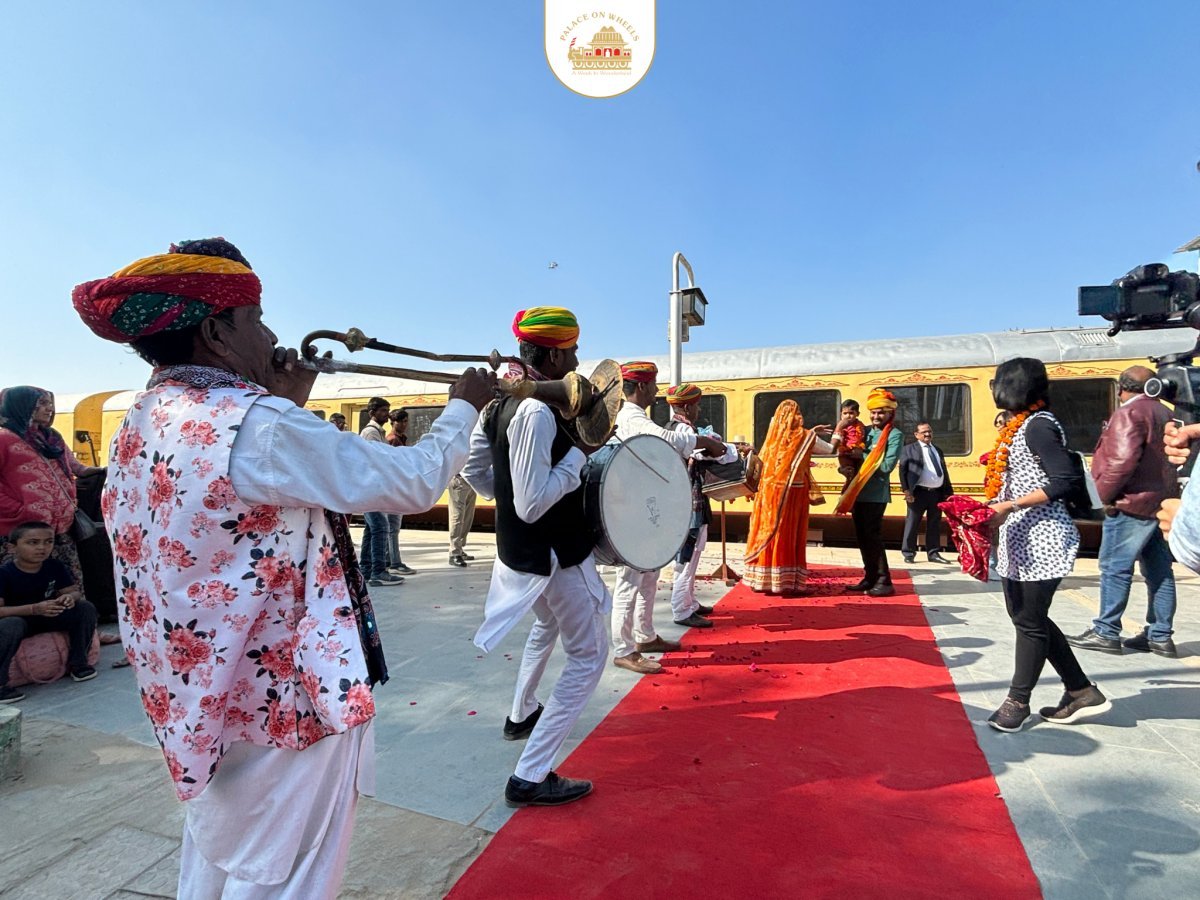
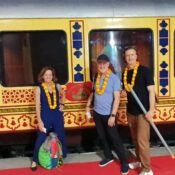
Many travelers mistake the palace for a silent reliquary of the past; however, the true essence of Indian royalty lives in the vibrant, breathing hospitality that greets every guest. Your arrival isn’t a mere check-in but a grand ceremony where the air thrums with the resonance of the shehnai and the delicate scent of fresh rose petals. This immersive experience is the soul of the Palace on Wheels, where the ancient "Atithi Devo Bhava" philosophy ensures you’re treated not as a visitor, but as a sovereign returning to your ancestral seat. The philosophy, which translates to "The Guest is God," dictates every interaction, from the precise tilt of a turbaned salute to the personalized attention of your dedicated Khidmatgar.
Evening shadows bring the courtyard to life with the rhythmic swirl of Ghoomar dancers and the haunting, melodic strains of the sitar. These cultural performances aren’t staged spectacles but authentic continuations of the courtly traditions that once entertained the Maharajas of Rajputana. As the sun sets over the desert horizon, the flickering torches illuminate the intricate carvings of the palace, creating a hypnotic atmosphere that blurs the lines between history and the present moment.
The Flavours of the Princely Table
Dining within these regal walls is a choreographed indulgence where the traditional "Thali" serves as a canvas for culinary excellence. Royal khansamas, the keepers of secret recipes passed through 14 generations, utilize rare spices like stone flowers and dried rose petals to create masterpieces. You’ll taste the incredible depth of "Dum" cooking, a slow-fire technique perfected in imperial kitchens that requires 8 to 12 hours of patient simmering. Each meal celebrates the legendary tastes of India, ensuring that every bite is a journey through the storied heritage of the land. For those seeking to explore the menus of this mobile fortress, more details are available at https://palaceonwheelstrain.com/.
The Tactile Luxury of Silk and Velvet
The interior of a royal suite is a sanctuary of artisanal mastery. Your fingers will trace the intricate patterns of hand-tufted carpets and the heavy, lustrous folds of brocade upholstery that define the room’s character. These spaces aren’t just decorated; they’re curated with hand-carved teak furniture and silk hangings that reflect the peak of 19th-century Indian craftsmanship. Waking up in a chamber that has hosted generations of nobility offers a profound connection to the past. It wraps you in the same quiet, refined exclusivity that once belonged only to the emperors of the Golden Era.
Modern Sovereignty: How to Inhabit the Palace Lifestyle in 2026
To truly inhabit the lifestyle of the palace in 2026, you must embrace a philosophy of travel that prioritizes depth over speed. The modern traveler seeks a connection to the past that doesn’t sacrifice the comforts of the present. Selecting the right framework for your expedition is the first step toward achieving this balance of heritage and luxury. It’s about more than just visiting a site; it’s about becoming part of its living history through a curated lens of exclusivity.
Choosing Your Royal Sojourn
A static heritage hotel offers a deep dive into a single location; however, the mobile majesty of a rail cruise provides a panoramic view of India’s royal heartland. Choosing a Super Deluxe cabin ensures that your private quarters remain a sanctuary of silk and teakwood throughout the trip. Your experience starts the moment you land in Delhi. Seamless airport transfers and pre-tour arrangements are essential to ensure your transition into the world of the palace is entirely effortless. This meticulous coordination allows you to avoid the logistical friction of the city, keeping your focus on the upcoming adventure. It’s the difference between a simple holiday and a dignified royal progress across the landscape of Rajasthan.
Etiquette and Expectations
Adopting a royal persona requires an understanding of the subtle protocols that govern these historic spaces. Formal dinners at royal sites are occasions for sartorial splendor. You’ll find that traditional Indian attire or sharp evening wear pays proper homage to your hosts and the setting. Respecting local traditions ensures a warmer welcome into private museum collections and restricted palace wings that aren’t open to the general public. Expert-guided excursions are the key to unlocking the secrets of the desert kingdoms. These scholars translate the architectural language of the Rajput kings into living narratives, revealing stories etched into the very sandstone of the ramparts. They provide a depth of context that guidebooks simply can’t capture.
Scheduling your visit between October and March is essential to experience the desert kingdoms in their full glory. During these months, the crisp air complements the warmth of the sun, making it the perfect time for outdoor cultural performances and exploration. An all-inclusive itinerary removes the burden of daily planning. It allows you to immerse yourself in the legendary hospitality of Rajasthan without worrying about the details. Every meal, transfer, and excursion is part of a grander narrative designed for your comfort and enrichment.
Plan your regal expedition today
The Palace on Wheels: A Moving Testament to India’s Imperial Splendour
The Palace on Wheels stands as a breathtaking personification of the palace in its living, moving form, where the golden era of the Raj is meticulously preserved within every polished teak panel and silk curtain. This legendary train offers a 7 Nights and 8 Days itinerary that functions as a seamless bridge between the most storied bastions of Indian royalty. Each of the 14 guest carriages bears the name of a former princely state of Rajputana, such as Alwar, Bikaner, or Bundi; it reflects the distinct aesthetic heritage of its namesake through bespoke upholstery and hand-carved motifs. It’s a sanctuary of profound exclusivity that glides through the vibrant, shifting landscape of Bharat, offering a perspective of the country that remains hidden from the common traveler.
Life Aboard the Imperial Rail
Inside these hallowed halls, guests discover the peak of imperial comfort. The Super Deluxe Cabins and Presidential Suites provide a private world of silk-draped beds and modern en-suite amenities. Dining becomes a ritual of grace within the ‘Maharani’ and ‘Maharaja’ restaurant cars, where world-class chefs serve authentic Rajasthani delicacies alongside international fare. Every need is anticipated by the ‘Khidmatgars,’ personal attendants who embody the spirit of "Atithi Devo Bhava" with a level of dedication that recalls the service once reserved for the sovereign rulers of India.
A Curated Gateway to Rajasthan
This odyssey serves as a curated gateway to the desert kingdom, providing exclusive access to guided sightseeing excursions at every stop. Travelers witness the pink glow of Jaipur, the lakeside romance of Udaipur, and the blue-hued majesty of Jodhpur without the burden of logistical planning or chaotic transfers. Each morning brings a new citadel or the palace of a legendary Maharaja to explore, all while the train stands ready as your dependable, luxurious home. The Rajasthan Tourism Development Corporation invites you to step across the threshold and become an honoured guest in a world where history and hospitality converge.
Step Into Your Own Royal Legacy
The enduring legacy of Rajputana and Mughal grandeur isn’t merely a chapter in history books; it’s a living, breathing experience that waits for you across the golden sands of Rajasthan. You’ve explored how the intricate architecture and sensory hospitality of ancient estates define the very essence of the palace, and now that same imperial spirit is captured within the award-winning cabins of India’s premier luxury train. As the official GSA for the Rajasthan Tourism Development Corporation, we invite you to reclaim this heritage through a curated 7 Nights / 8 Days itinerary that transforms travel into a masterpiece of all-inclusive luxury. Every mile traveled mirrors the unhurried pace of a bygone era, where heritage-inspired decor and impeccable service ensure you’re treated as a sovereign guest. From the silk-draped windows of your private suite to the gourmet flavors of our imperial dining cars, the journey remains a moving testament to India’s most celebrated traditions. Your seat at the Maharaja’s table is prepared, and the desert horizon beckons with the promise of legendary discoveries.
Begin your regal sojourn on the Palace on Wheels
We look forward to welcoming you aboard for a journey that transcends time and touches the very soul of India.
Frequently Asked Questions
What is the difference between a fort and a palace in India?
A fort in the Indian context serves as a formidable defensive citadel built upon rugged hills, while a palace represents the pinnacle of residential opulence and architectural artistry. While 15th-century structures like Mehrangarh Fort prioritize bastions and artillery positions, the palace focuses on intricate marble carvings and expansive courtyards designed for imperial leisure. You’ll find that many Rajasthani landmarks integrate both, where the outer walls protect the delicate "Mahal" residing within the heart of the fortification.
Can you actually stay inside a royal palace in India?
You can indeed immerse yourself in the living history of India by residing within authentic royal residences that have transitioned into heritage hotels. Iconic properties such as the Umaid Bhawan Palace in Jodhpur or the Taj Lake Palace in Udaipur offer 64 to 347 rooms of unparalleled luxury. These establishments allow guests to experience the same gilded ceilings and hand-painted frescoes that once sheltered the sovereign rulers of the Rajputana states during the 19th and 20th centuries.
Which city in India is known as the City of Palaces?
Mysore holds the prestigious title of the City of Palaces because it houses 7 distinct royal residences within its urban limits. The most celebrated is the Amba Vilas Palace, which attracts over 6,000,000 visitors annually with its breathtaking Indo-Saracenic architecture. During the 10-day Dasara festival, this majestic structure illuminates with 97,000 light bulbs, creating a spectacle of gold and light that rivals any royal celebration in the world.
What is the most famous palace to visit on a luxury tour of Rajasthan?
The City Palace in Jaipur stands as the most iconic destination for travelers seeking the true essence of the palace experience in Rajasthan. Established in 1727 by Maharaja Sawai Jai Singh II, this sprawling complex features the famous Chandra Mahal and Mubarak Mahal. Visitors can explore the 4 ornate gates of the Pritzker-winning Pritam Niwas Chowk, each representing a different season and dedicated to a specific Hindu deity.
How did the Maharajas of India live in their palaces?
The Maharajas of India lived in a state of absolute extravagance, surrounded by hundreds of specialized attendants and treasures gathered from across the globe. Their daily lives unfolded within vast suites adorned with Belgian crystal chandeliers and 24-karat gold leaf detailing. In the 19th century, it wasn’t uncommon for a single royal household to employ 500 staff members to maintain the intricate rituals of the court and ensure every culinary desire was met with imperial precision.
Is the Palace on Wheels a real palace or just a luxury train?
The Palace on Wheels is a legendary luxury train that functions as a mobile sanctuary of royalty, meticulously designed to replicate the private carriages of former rulers. Each of the 14 coaches is named after a princely state of Rajasthan, featuring decor that mirrors the specific heritage of regions like Bikaner or Jaisalmer. It’s a 7-night sojourn where the staff treats you with the same "Atithi Devo Bhava" spirit once reserved for the kings themselves. Learn more about these regal accommodations at palaceonwheelstrain.com.
What should I wear when visiting a royal palace or dining on a luxury train?
You should pack a combination of smart-casual attire for daytime excursions and elegant formal wear for evening dining experiences. While exploring sun-drenched forts, lightweight linens and comfortable walking shoes are essential for navigating the 16th-century stone pathways. During dinner in the train’s opulent dining cars, guests often don traditional Indian silks or evening jackets to match the refined atmosphere of the mahogany-paneled surroundings.
What is the best time of year to experience the palaces of India?
The most exquisite time to experience the royal heritage of India is between October and March when the desert heat subsides to a pleasant 15 to 25 degrees Celsius. This window aligns perfectly with the operational season of the Palace on Wheels, ensuring your journey through the Golden Triangle is comfortable and visually stunning. You can view the full 2024-2025 schedule and booking details at Palace on Wheels India: Rajasthan Royal Luxury Train to plan your imperial retreat during these cooler months.

All Categories
Recent Posts
Tags